




How are food additives tested for safety?
 Jul 03, 2025|
 Food additives play a crucial role in the modern food industry, enhancing flavor, improving texture, and extending shelf life. As a food additives supplier, I understand the importance of ensuring the safety of these substances. In this blog post, I will delve into how food additives are tested for safety, providing insights into the rigorous processes that safeguard consumer health.
Initial Screening and Identification
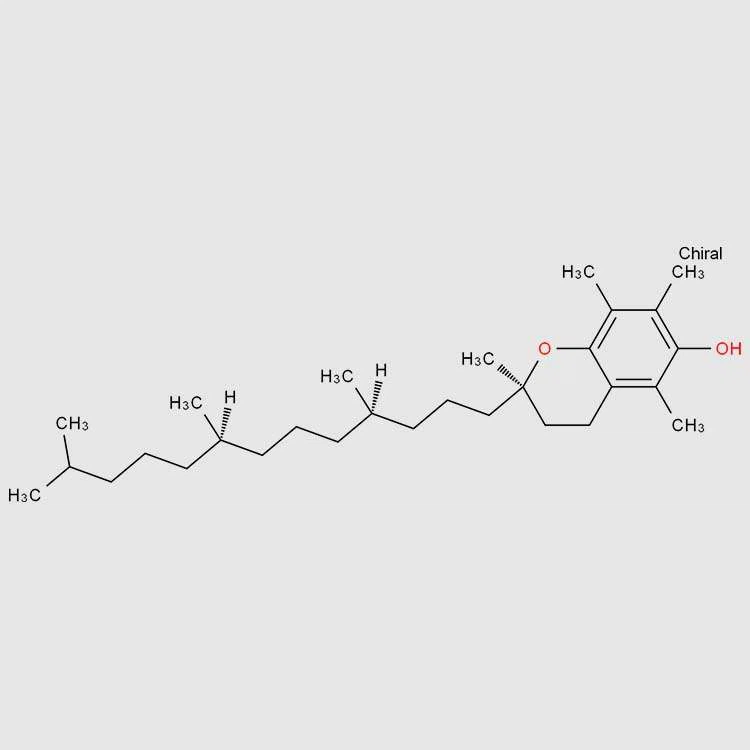
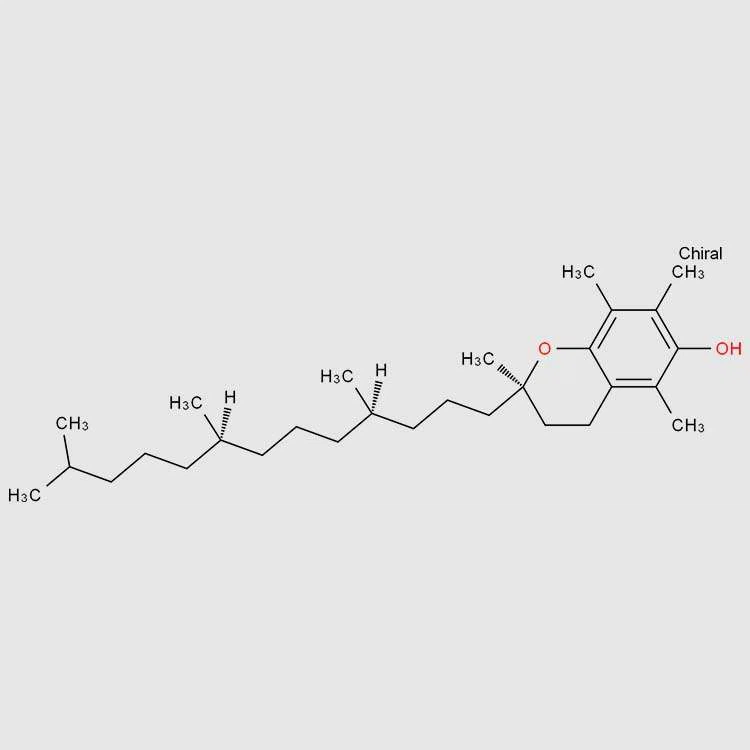
The journey of a food additive begins long before it reaches the market. Scientists first identify potential additives based on their desired functions. These could range from natural extracts like Nutural Mixed Tocopherol, which are used as antioxidants, to synthetic compounds designed to enhance color or taste.
Once a candidate additive is identified, it undergoes an initial screening. This involves a comprehensive review of its chemical structure, physical properties, and potential biological effects. Researchers look for any red flags, such as structural similarities to known toxins or allergens. For example, if a new additive has a chemical structure similar to a well - known allergen, it will require more in - depth testing.
Toxicity Testing
Toxicity testing is a cornerstone of food additive safety assessment. This process typically involves a series of in - vitro and in - vivo tests.
In - vitro Tests
In - vitro tests are conducted in test tubes or petri dishes using cells or tissues. These tests are used to quickly assess the basic toxicity of an additive. For instance, researchers may expose cells to different concentrations of the additive and measure cell viability, DNA damage, or the production of reactive oxygen species. In - vitro tests can also be used to study how the additive is metabolized at the cellular level. They provide valuable preliminary data that helps determine if further, more complex testing is necessary.
In - vivo Tests
In - vivo tests involve the use of laboratory animals, usually rodents such as rats and mice. These tests are more comprehensive and can provide information on how the additive affects the whole organism.
-
Acute Toxicity Tests: These tests determine the amount of the additive that can cause immediate harm or death in animals. Animals are given a single, high dose of the additive, and their responses are closely monitored over a short period, usually 14 days. This helps establish the lethal dose (LD50), which is the dose that kills 50% of the test animals.
-
Sub - chronic and Chronic Toxicity Tests: Sub - chronic toxicity tests are conducted over a period of 90 days, while chronic toxicity tests can last up to two years. These tests expose animals to lower, more realistic doses of the additive over an extended period. They aim to detect any long - term effects such as organ damage, changes in body weight, or the development of tumors.
-
Reproductive and Developmental Toxicity Tests: These tests are designed to assess whether the additive can affect the reproductive system or the development of offspring. Female animals are exposed to the additive during pregnancy and lactation, and the health and development of the offspring are monitored.
Allergenicity Testing
Allergenicity is another important aspect of food additive safety. Some additives can trigger allergic reactions in sensitive individuals. To test for allergenicity, researchers first look at the protein content of the additive, as most food allergens are proteins.
- Skin Prick Tests: In some cases, skin prick tests may be conducted on human volunteers. A small amount of the additive is applied to the skin, and any allergic reactions such as redness, swelling, or itching are observed.
- Serological Tests: Serological tests measure the levels of specific antibodies in the blood. If a person has been exposed to an allergenic additive, their immune system may produce antibodies against it. By measuring these antibodies, researchers can determine if the additive has the potential to cause an allergic reaction.
Carcinogenicity Testing
Carcinogenicity testing aims to determine if a food additive can cause cancer. This is a complex and time - consuming process.
- Two - year Rodent Bioassays: These are the standard tests for carcinogenicity. Rats and mice are exposed to different doses of the additive over their entire lifespan, which is usually about two years. At the end of the study, the animals are examined for the presence of tumors.
- Genotoxicity Tests: Genotoxicity tests are used to detect any damage to the DNA. Additives that cause DNA damage are more likely to be carcinogenic. These tests can be conducted in vitro or in vivo and look for signs such as mutations, chromosomal aberrations, or DNA strand breaks.
Metabolism and Absorption Studies
Understanding how a food additive is metabolized and absorbed by the body is essential for assessing its safety.
- Pharmacokinetic Studies: Pharmacokinetic studies track the movement of the additive in the body. They measure how quickly the additive is absorbed, distributed to different organs, metabolized, and excreted. This information helps determine the potential accumulation of the additive in the body and its possible effects on different organs.
- Metabolic Profiling: Metabolic profiling involves identifying the metabolites of the additive. Some metabolites may be more toxic than the original additive, so it is important to understand their formation and fate in the body.
Safety Evaluation and Regulation
After all the tests are completed, a safety evaluation is conducted. Regulatory agencies such as the Food and Drug Administration (FDA) in the United States and the European Food Safety Authority (EFSA) in Europe review the data from the safety tests.
These agencies establish acceptable daily intake (ADI) levels for food additives. The ADI is the amount of an additive that can be consumed daily over a lifetime without any appreciable health risk. Food manufacturers are then required to ensure that the levels of additives in their products do not exceed the ADI.
Our Commitment as a Food Additives Supplier
As a food additives supplier, we are committed to providing high - quality and safe products. We work closely with research institutions and regulatory agencies to ensure that all our additives, such as Neomycin Sulphate Broad Spectrum Antibiotic and Natural Antioxidant Vitamin E, meet the strictest safety standards.
We conduct our own internal quality control tests in addition to relying on the results of independent research. Our products are also regularly inspected and approved by relevant regulatory authorities.
Conclusion
The safety testing of food additives is a multi - faceted and rigorous process that involves a wide range of scientific methods. From initial screening to long - term toxicity and carcinogenicity testing, every step is designed to protect consumer health.
If you are in the food industry and are looking for high - quality and safe food additives, we would love to hear from you. Our team of experts can provide you with detailed information about our products and how they can meet your specific needs. Contact us today to start a discussion about your food additive requirements and explore the possibilities of working together.
References
- Food and Agriculture Organization of the United Nations. (2019). Food Additive Safety Evaluation.
- World Health Organization. (2020). Guidelines for the Safety Assessment of Food Additives.
- European Food Safety Authority. (2021). Scientific Opinion on the Safety of Food Additives.