




How do food additives affect the food's crispness?
 Sep 19, 2025|
Food additives are a hot topic in the food industry, and one of the interesting aspects is how they affect a food's crispness. As a food additives supplier, I've seen firsthand how these substances can transform the texture and quality of various food products. In this blog, I'll break down the relationship between food additives and crispness, sharing some insights based on my experience in the field.
First off, let's understand what crispness means in the food world. Crispness is that satisfying crunch you get when you bite into a chip, a cracker, or a fresh vegetable. It's a sensory experience that many consumers love, and food manufacturers are constantly looking for ways to enhance it. Food additives play a crucial role in achieving and maintaining that desirable crisp texture.
One type of food additive that can impact crispness is emulsifiers. Emulsifiers are substances that help mix two immiscible liquids, like oil and water, to form a stable emulsion. In the context of crisp foods, emulsifiers can prevent the migration of moisture between different components of the food. For example, in a fried snack, moisture from the inside of the product can move to the outer layer, making it soggy. Emulsifiers can slow down this process, keeping the outer layer crispy for longer. Some common emulsifiers used in the food industry include lecithin, which is derived from soybeans or eggs. Lecithin helps to create a barrier that reduces moisture transfer, thus preserving the crispness of the food.
Another important group of additives for crispness is anti - caking agents. These additives are used to prevent the clumping of powdery or granular foods. When a food product clumps, it can lose its crisp texture. Anti - caking agents work by absorbing moisture or by creating a physical barrier between particles. For instance, calcium silicate is often used in powdered products like instant soups or spices. By keeping the powder free - flowing, it ensures that each bite retains its crisp quality.
Now, let's talk about some natural food additives that can enhance crispness. Natural Plant Sterols are one such option. These are derived from plants and have several benefits in food products. They can act as antioxidants, which not only help to preserve the flavor and color of the food but also contribute to maintaining its texture. In some cases, natural plant sterols can interact with the fats in a food product, improving the frying process. When used in fried foods, they can help to create a more uniform and crispy crust.
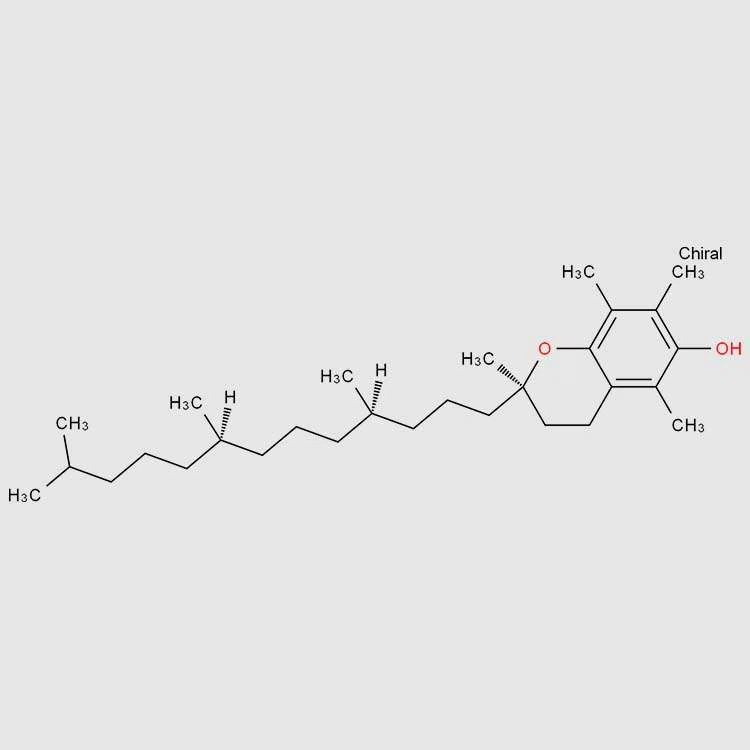
Nutural Mixed Tocopherol and Natural Mixed Tocopherol are also great natural additives for crispness. Tocopherols are a form of vitamin E and are powerful antioxidants. In food products, they can prevent the oxidation of fats, which is a major cause of flavor deterioration and texture changes. When fats oxidize, they can become rancid, and the food can lose its crispness. By using natural mixed tocopherols, food manufacturers can extend the shelf - life of their crisp products while maintaining their quality.
The amount of food additives used also matters when it comes to crispness. Using too little of an additive may not have the desired effect, while using too much can lead to negative impacts. For example, if you use an excessive amount of an anti - caking agent, it can change the taste and texture of the food in an undesirable way. It's all about finding the right balance. Food scientists and manufacturers work hard to determine the optimal levels of additives for each specific product.
In addition to the type and amount of additives, the processing conditions also interact with food additives to affect crispness. The temperature and time during frying, baking, or drying can influence how the additives work. For example, in a baking process, the right combination of an emulsifier and a specific baking temperature can result in a perfectly crispy pastry. If the temperature is too low, the food may not develop a crispy crust, even with the presence of additives. On the other hand, if the temperature is too high, the food may burn, also ruining the crispness.
Another factor to consider is the storage conditions of the food. Even with the best food additives, improper storage can lead to a loss of crispness. Foods should be stored in a cool, dry place to prevent moisture absorption. For example, if a bag of chips is left in a humid environment, the moisture in the air will quickly make the chips soggy, regardless of the additives used.
As a food additives supplier, I understand the importance of providing high - quality products that meet the needs of food manufacturers. I work closely with my clients to recommend the right additives for their specific products. Whether it's a new snack product they're developing or an existing one they want to improve, I can offer solutions based on my knowledge of different additives and their effects on crispness.

If you're a food manufacturer looking to enhance the crispness of your products, I'd love to have a chat with you. We can discuss your specific requirements, and I can provide samples of our food additives for you to test. By working together, we can create food products that not only taste great but also have that perfect crisp texture that consumers love. Contact me to start the conversation about how our food additives can take your products to the next level.
References
- Food Additives: Principles and Applications by John R. Whitaker
- Handbook of Food Additives by Y. H. Hui
- Food Texture and Viscosity: Concept and Measurement by Malcolm C. Bourne