




How do food additives contribute to food waste reduction?
 Jul 14, 2025|
Food waste is a massive problem plaguing our planet today. According to the United Nations, about one - third of all food produced for human consumption is wasted globally each year. That's a staggering amount of resources, including water, land, and energy, going down the drain. As a food additives supplier, I've seen firsthand how these substances can play a crucial role in reducing food waste. In this blog, I'll break down how different food additives contribute to making our food last longer and ultimately cut down on waste.
Preservatives: The Front - Line Defenders Against Spoilage
Preservatives are like the bodyguards of the food world. They prevent the growth of bacteria, yeasts, and molds, which are the main culprits behind food spoilage. For instance, sodium benzoate is a common preservative used in acidic foods like fruit juices, pickles, and salad dressings. It works by interfering with the metabolism of microorganisms, making it difficult for them to survive and reproduce in the food.
Another popular preservative is potassium sorbate. It's often found in baked goods, dairy products, and wines. Potassium sorbate inhibits the growth of fungi and molds, extending the shelf - life of these products. By using these preservatives, food manufacturers can ensure that their products stay fresh for longer periods. This means less food is thrown away due to spoilage, both at the consumer level and in the supply chain.
Antioxidants: Keeping Food Fresh from the Inside Out
Oxidation is a natural process that can cause food to deteriorate. It can lead to changes in color, flavor, and nutritional value. That's where antioxidants come in. They work by preventing or slowing down the oxidation process.
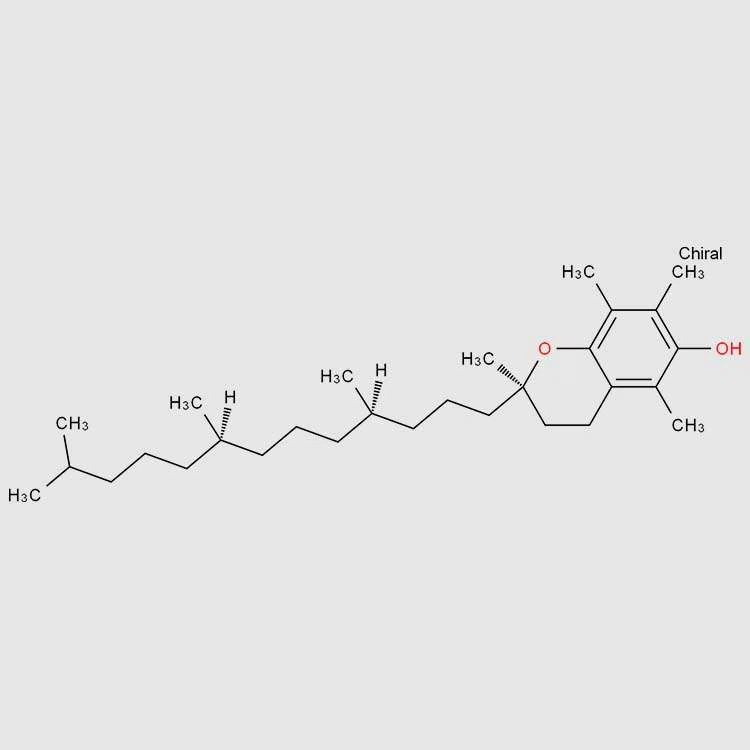
One of our top - selling antioxidants is Nutural Mixed Tocopherol. It's a natural mixture of tocopherols, which are forms of vitamin E. Nutural Mixed Tocopherol can be added to oils, fats, and meat products. It protects these foods from oxidation, preventing them from becoming rancid and developing off - flavors.
Natural Antioxidant Vitamin E is another excellent option. It's a powerful antioxidant that not only extends the shelf - life of food but also has health benefits. Vitamin E can neutralize free radicals in the body, which are associated with various diseases. When added to food, it keeps the food fresh and maintains its nutritional quality.
Emulsifiers and Stabilizers: Maintaining Food Structure
Emulsifiers and stabilizers are essential for keeping food products in a stable and uniform state. Emulsifiers, like lecithin, help to mix two immiscible substances, such as oil and water. This is crucial in products like mayonnaise, salad dressings, and ice cream. Without emulsifiers, these products would separate over time, making them unappealing and potentially leading to waste.
Stabilizers, on the other hand, help to maintain the texture and consistency of food. For example, carrageenan is a stabilizer commonly used in dairy products, such as yogurt and ice cream. It prevents the formation of ice crystals in frozen products and gives yogurt a smooth and creamy texture. By using emulsifiers and stabilizers, food manufacturers can ensure that their products have a longer shelf - life and maintain their quality throughout their storage period.
Enzymes: Transforming Food for Long - Term Storage
Enzymes are biological catalysts that can speed up chemical reactions in food. They can be used to modify the properties of food, making it more suitable for long - term storage. For example, enzymes can be used to break down complex carbohydrates into simpler sugars in fruit juices. This not only improves the flavor of the juice but also makes it more resistant to spoilage.
Another application of enzymes is in the meat industry. Enzymes can be used to tenderize meat, making it more palatable and extending its shelf - life. By using enzymes, food manufacturers can process food in a way that reduces waste and improves the overall quality of the product.
Phytosterin: A Natural Solution for Food Preservation
Phytosterin is a natural compound found in plants. It has antioxidant and anti - inflammatory properties, making it a great addition to food products. Phytosterin can help to prevent the oxidation of fats and oils in food, extending their shelf - life. It also has potential health benefits, such as reducing cholesterol levels in the body.
The Impact on the Supply Chain
The use of food additives has a significant impact on the entire food supply chain. At the production level, food manufacturers can produce larger batches of products with longer shelf - lives. This reduces the frequency of production runs, saving on energy and resources.
In the distribution and storage phase, products with extended shelf - lives are less likely to spoil during transportation and storage. This means fewer products are discarded due to damage or spoilage. At the retail level, stores can stock products for longer periods, reducing the need for frequent restocking and minimizing the amount of unsold food.
Finally, at the consumer level, people are more likely to finish products that stay fresh for longer. This means less food is wasted at home, contributing to overall food waste reduction.
Addressing Concerns about Food Additives
I know there are concerns about the safety of food additives. However, it's important to note that all food additives used in the food industry are regulated by government agencies. These agencies set strict limits on the amount of additives that can be used in food products. Before an additive is approved for use, it undergoes extensive safety testing to ensure that it's safe for human consumption.
Most of the food additives we supply are natural or derived from natural sources. For example, our Nutural Mixed Tocopherol and Natural Antioxidant Vitamin E are natural antioxidants. Phytosterin is also a natural compound. These natural additives provide the same benefits as synthetic additives but with the added appeal of being more "natural" for consumers.
Conclusion
Food additives are powerful tools in the fight against food waste. Preservatives, antioxidants, emulsifiers, stabilizers, enzymes, and compounds like Phytosterin all play important roles in extending the shelf - life of food, maintaining its quality, and reducing spoilage.
As a food additives supplier, I'm committed to providing high - quality additives that not only help reduce food waste but also meet the safety and quality standards of the food industry. If you're a food manufacturer or involved in the food business and are interested in learning more about how our food additives can help you reduce food waste, I'd love to have a chat with you. Contact us to start a procurement discussion and let's work together to make a difference in the fight against food waste.

References
- United Nations Environment Programme. (2023). Food Waste Index Report 2021.
- Codex Alimentarius Commission. (2023). General Standard for Food Additives.
- Food and Agriculture Organization of the United Nations. (2023). State of Food and Agriculture 2023.