
Definition of Daily Chemical
Daily chemicals are non-food chemicals that are commonly found and used in and around the average household. They are a type of consumer goods, designed particularly to assist cleaning, house and yard maintenance, cooking, pest control and general hygiene purposes, often stored in the kitchen or garage.
Insecticides
They are synthetic chemicals that work by attacking the nervous system of insects. The other core chemicals used to kill insects, pests, etc, in the stored products, and for the fumigation process of nursery stock are Naphthalene, Hydrogen Cyanide, Methyl Bromide, and Naphthalene.
Cleaning Products
It can help in the reduction of surface tension of water to easily blend with the fat or oil. Detergents can be used to wash clothes since they help in dirt removal with the chemicals present in them.
Waste Water Treatment
Wastewater can be treated using four chemicals namely anti-foaming agents, flocculants, coagulants, and pH neutralizers. pH neutralizers form the most used chemical compound class.
Food Processing
Chemicals form the core building blocks for even food you consume. The materials that are particularly used for food packaging consist of chemical substances.
Beauty Products
They are incorporated to enhance the texture and feel of these beauty products. Chemicals highly used in beauty products are usually synthetic chemicals, however, natural processed chemicals are also in use.
Fragrances
The fragrance is a chemical compound with smell-infused properties. They vapourize while at room temperature and lead the aroma to hit our olfactory nerves. Fragrance, sprays, perfumes, etc, are composed of both synthetic and organic chemicals.
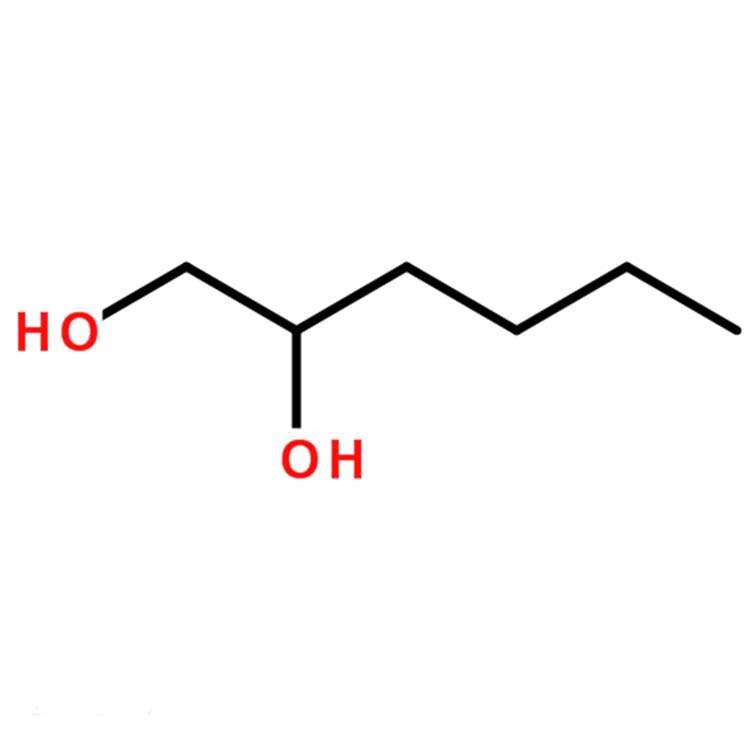
Chemical Substances of Daily Chemicals
Water – (H2O)
The molecular composition of water is simple yet unique, comprised of two hydrogen atoms and one oxygen atom to form the chemical formula H2O. Its polarity and ability to dissolve other substances make it a key component in various chemical reactions.
Salt – Sodium Chloride (NaCl)
Chemically speaking, salt is a relatively simple compound composed of two elements, namely sodium (Na) and chlorine (Cl). The combination of these elements creates the compound known as sodium chloride (NaCl), the most commonly used type of salt.
Sodium Bicarbonate – (NaHCO₃)
Sodium bicarbonate, commonly known as baking soda, is a white crystalline powder made of sodium ions and bicarbonate ions, is a weak alkaline compound commonly used in cooking, cleaning, and personal hygiene products.
Ethanol – (C₂H₆O)
Ethanol is produced through the fermentation of crops such as corn, wheat, and sugarcane and is a renewable fuel source. Ethanol is commonly used as biofuel blended with gasoline to reduce harmful emissions.
Carbon Dioxide – (CO2)
Carbon dioxide (CO2) is a colorless, odorless gas that is essential to the Earth’s atmosphere. It is a naturally occurring gas produced by the respiration of living organisms, volcanic eruptions, and other natural processes.
Expertise and experience
Yiming Bio-technology With years of industry experience and constantly keeping up with the latest trends and technologies, the team has the expertise to help you solve the challenges you may face.
High-quality products
We aim to provide the best products, using quality materials and advanced production techniques to ensure that our Biocides/Pharmaceutical intermediates and API/Food additives meet the highest standards.
Competitive pricing
We understand that cost is a major consideration for many businesses, which is why we offer competitive prices without sacrificing quality.
Exceptional customer service
Insisting on the management philosophy 'Quality first, Service upmost, Win-win cooperation', we sincerely hope to cooperate with customers home and abroad.
Chemical reactions are how new forms of matter are made. While nuclear reactions also may produce new matter, nearly all the substances you encounter in daily life are the result of chemical changes.
Chemical reactions help us understand the properties of matter. By studying the way a sample interacts with other matter, we can learn its chemical properties. These properties can be used to identify an unknown specimen or to predict how different types of matter might react with each other.
By observing chemical reactions, we are able to understand and explain how the natural world works. Chemical reactions turn food into fuel for your body, make fireworks explode, cause food to change when it is cooked, make soap remove grime, and much more.
Exciting and entertaining chemical reactions pique interest in science. These types of demonstrations encourage people to ask questions and may lead them into science-related careers.
Chemical reactions help us to solve crimes and explain mysteries. By analyzing blood and tissue samples, for example, police are able to identify the perpetrators of crimes. Chemical reactions are also the tools we use to date fossils, analyze ancient materials, and better understand how our ancestors lived.
By observing chemical reactions in outer space, we are able to identify and describe other planets. We can even determine which planets and moons are likely to be able to sustain life.
Fire, the most important discovery made by human beings, is simply a chemical reaction.
Without chemical reactions, nothing would ever change. Atoms would stay atoms. New molecules wouldn't form. No organisms could live. If matter didn't react with other matter, the universe would be extremely boring.
Each package should be marked with the appropriate shipping name, hazard class and UN number, followed by packing group reference, e.g.:
Detailed instructions on how dangerous goods should be classified and packed are given in international agreements and national provisions.
Labels should be placed on containers and vehicles so that they are clearly visible.
During the transport of dangerous general goods, the appropriate warning labels should be on every single package.
Only one danger class label should normally be fixed on a package. However, if the substance or article presents more than one significant risk, such as fire and poisoning, the package should bear labels indicating important subsidiary risks.
Special labels indicating the transport conditions are:

As one of the most professional daily chemical manufacturers and suppliers in China, we're featured by quality products and good service. Please feel free to buy high-grade daily chemical from our factory. For price consultation, contact us.
hair care products, deodorants, cuticle removers(0/10)



