
Cyanoacetamide is a versatile intermediate used in the synthesis of a wide range of organic compounds. Some of its key applications include the production of pharmaceuticals, agrochemicals, and dyes.In pharmaceuticals, cyanoacetamide is commonly used as a starting material for the synthesis of various drugs, including anti-inflammatory agents, anticonvulsants, and anticancer agents. One such example is the drug theophylline, which is used to treat respiratory diseases such as asthma and chronic obstructive pulmonary disease (COPD).

Benefits of Cyanoacetamide Intermediate
High Purity
Cyanoacetamide intermediate is highly pure, which makes it a suitable choice for many industrial applications. As it is free of impurities, it enhances the quality of products where it is used.
Diverse Application
There are numerous applications of Cyanoacetamide intermediate in the manufacture of dyes, pharmaceuticals, and agrochemicals. It’s a versatile chemical solution that finds uses in a diverse range of products.
Low Toxicity
Cyanoacetamide intermediate has a relatively low toxicity profile, making it safe to use in different industrial applications without causing adverse effects on human health or the environment.
Cost-Effective
Compared to other chemical intermediates, Cyanoacetamide intermediate is relatively affordable, making it a more cost-effective option for businesses that use it in their manufacturing processes.
Enhances Product Quality
Cyanoacetamide intermediate is valued for its ability to improve the quality of products in which it is used, particularly due to its excellent catalytic properties. This attribute makes it a valuable component in the production of many industrial materials.
Increases Efficiency
Cyanoacetamide intermediate is a highly efficient chemical intermediate that can help streamline the manufacturing process in numerous industries. This efficiency translates to quicker production times and fewer costs needed to manufacture goods.
Environmental Safety
Cyanoacetamide intermediate is a more environment-friendly option as it is biodegradable and breaks down quickly, causing no lasting harm to the environment.
What are the Applications of Cyanoacetamide Intermediate
Pharmaceutical industry
Cyanoacetamide intermediate is used as an intermediate in the synthesis of various pharmaceutical drugs, including anticonvulsant, anti-inflammatory, and anti-tuberculosis drugs.
Agrochemical industry
Cyanoacetamide is used as an intermediate in the synthesis of various herbicides and fungicides, such as thiocarbamates and dithiocarbamates.
Polymer industry
Cyanoacetamide is used as a cross-linker for various polymers, including nylon, polyurethanes, and epoxy resins.
Textile industry
Cyanoacetamide is used in the production of dye-fixing agents for textile dyeing process, which improves the color fastness of the fabric.
Photographic industry
Cyanoacetamide is used as a photographic fixing agent, which helps to fix the image on photographic papers.
Cosmetics industry
Cyanoacetamide is used as a preservative in cosmetics and toiletries, including shampoos, shower gels, and lotions.
Molecular formula
The molecular formula of cyanoacetamide is C3H4N2O, which means it contains three carbon, four hydrogen, two nitrogen, and one oxygen atoms.
Physical appearance
Cyanoacetamide is a white crystalline solid with a melting point of around 118-120 °C.
Solubility
Cyanoacetamide is soluble in water, methanol, ethanol, and acetone.
Chemical reactivity
Cyanoacetamide is a highly reactive molecule due to the presence of the cyano group (-C≡N) which makes it a strong nucleophile and allows it to undergo a variety of chemical reactions.
Uses
Cyanoacetamide is used as an intermediate in the production of organic compounds such as pharmaceuticals, agrochemicals, dyes, and pigments. It is also used as a cross-linking agent in polymer chemistry.
Stability
Cyanoacetamide has good thermal stability and can be stored for long periods without decomposition. However, it should be kept away from strong oxidizing agents and acids.
Carbohydrazide is a powerful reducing agent and deoxidizer. It is used in many industrial applications to prevent corrosion and scale formation in boilers, heat exchangers, and other water systems. Carbohydrazide is also used as a stabilizer in the production of polymers and as an oxygen scavenger in the oil and gas industry. In addition, it has pharmaceutical applications as a hydrazine derivative and as a supplement for treating Alzheimer's disease. Overall, carbohydrazide is an important chemical for both industrial and medical uses.

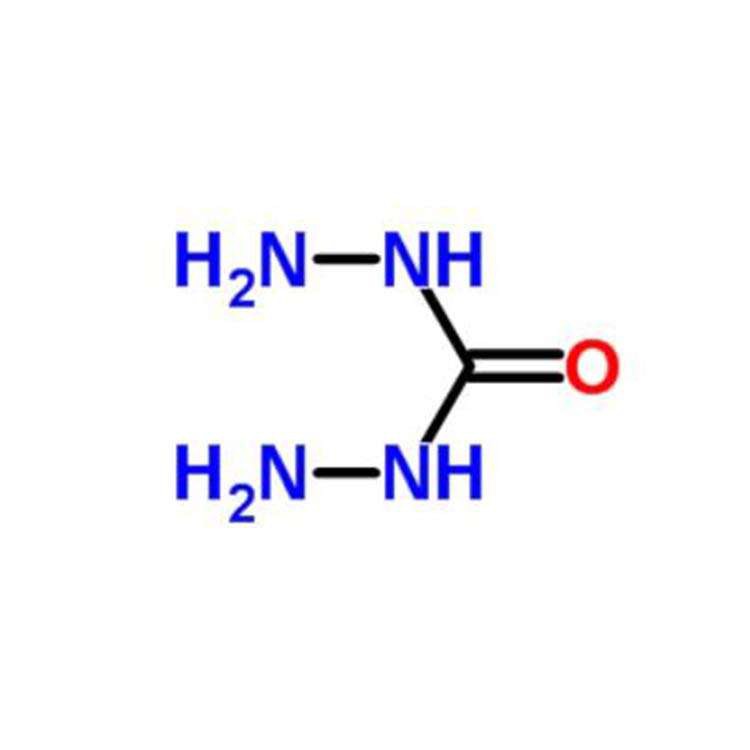
Melting point: 119-121°C (lit.) Boiling point: 154.34°C (roughestimate)
Density: 1,4g/cm3 Refractive index: 1.5110 (estimate) Flash point: 419°F
Storage conditions:Sealedindry,RoomTemperature
Solubility: coldwater: soluble1gmin6.5ml
Acidity coefficient (pKa):-1.27±0.10(Predicted)
Form:CrystaChemicalbookllinePowderColor:Whitetolightcream
Odor: Odorless
Water solubility:solubleMerck:14,2688BRN:878221CAS
Database:107-91-5(CASDataBaseReference)NIST
Chemical Substance Information: Acetamide, 2-cyano-(107-91-5) EPA Chemical Substance Information: 2-Cyanoacetamide (107-91-5)
(1) Mix malonamide and organic solvent I to obtain liquid A; mix triphosgene and organic solvent II to obtain liquid B;
(2) Set the parameters of the pipeline reactor;
(3) After the pipeline reactor reaches the set parameters, turn on pump A and pump B of the pipeline reactor, where pump A transfers liquid A and pump B transfers liquid B; transfer liquid A and liquid B into the pipeline reactor for reaction ;
(4) Detect the reaction liquid at the outlet of the pipeline reactor, if the moisture content is less than 0.5%, the reaction is qualified, and collect the qualified reaction liquid;
(5) Distill the qualified reaction liquid under normal pressure to recover the solvent. When the remaining solvent amount in the reaction liquid after rectification is ≤ 0.5%, cool down and crystallize, filter, and obtain cyanoacetamide.
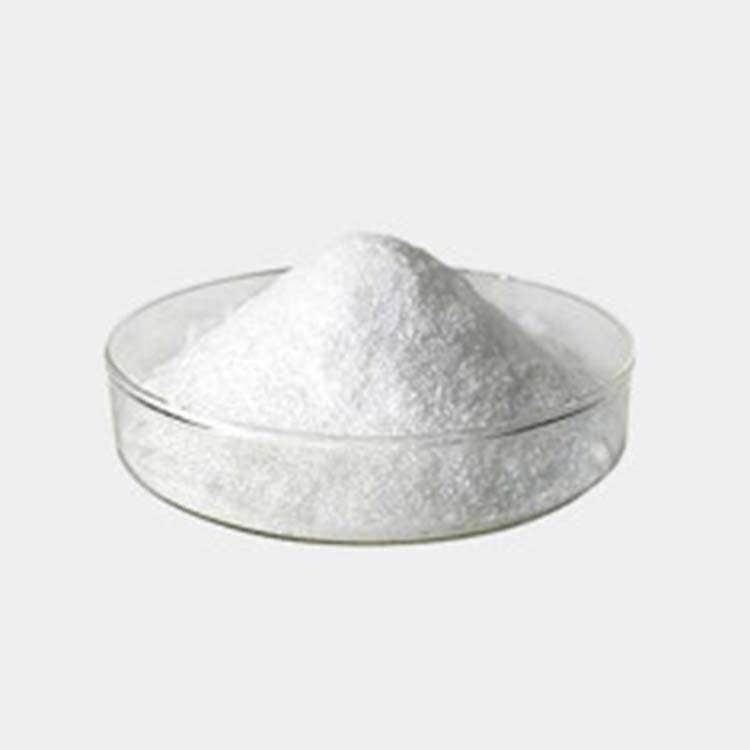
Corrosion Inhibition
Carbohydrazide is widely used as a corrosion inhibitor in boiler water and other industrial applications. Its ability to prevent corrosion is due to its ability to scavenge oxygen and prevent the formation of rust and other metal oxides.
Oxygen Scavenger
Carbohydrazide is an effective reducing agent and readily reacts with oxygen to form water and nitrogen. This makes it useful as an oxygen scavenger in water treatment applications, particularly in boiler water treatment.
Stable in High Temperatures
It is stable at elevated temperatures and does not decompose until it reaches temperatures above 200°C. This makes it a suitable oxygen scavenger in high-temperature applications such as boiler feed water.
Environmentally Friendly
As carbohydrazide is a slow-acting reducing agent, it does not produce any harmful by-products when it reacts with oxygen. Also, carbohydrazide is non-toxic, biodegradable and environmentally friendly.
Versatile
Carbohydrazide is a versatile reducing agent and has applications in many industries such as pharmaceuticals, agriculture, photography, and textiles.
Low Cost
Carbohydrazide is relatively low cost when compared to other oxygen scavengers. This makes it an attractive option for industries looking to reduce operating costs while maintaining high levels of efficiency.
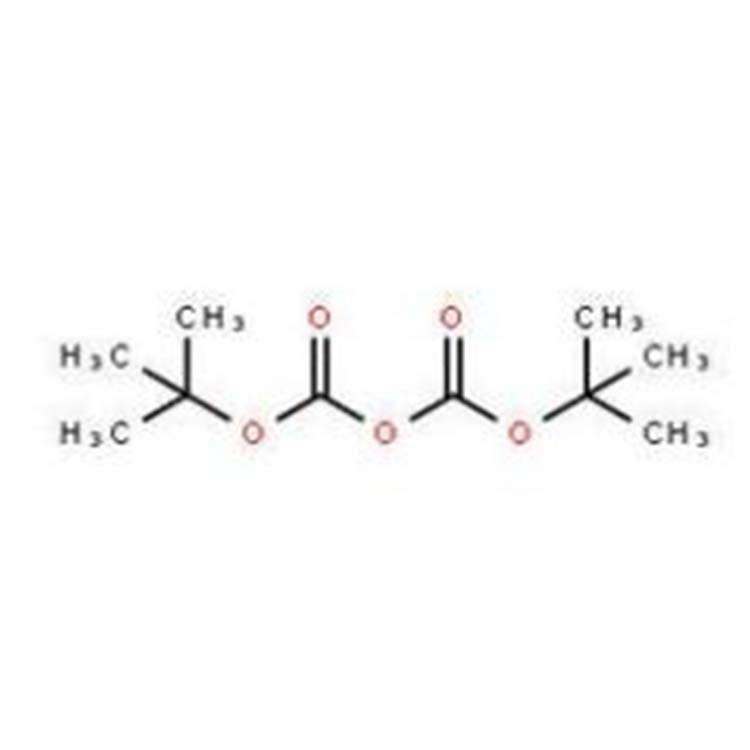
According to the deoxidation treatment method of the present invention, the deoxidizer of the present invention is added to the water system.
Heterocyclic compounds having N-substituents (heterocyclic compounds having a substituent on at least one N, sometimes referred to as [N-substituent heterocyclic compounds] below) and amino acid compounds both have an effect on improving reduction. High-efficiency reduction boilers, Oxygen is dissolved in the water in the steam generator system to prevent corrosion of metal surfaces. In addition, it inhibits corrosion through its reducing power.
In the present invention, due to the excellent effect produced by the combined use of an N-substituted heterocyclic compound and a modified amine compound, an excellent deoxidation effect is achieved under a wide range of conditions from low pressure to high pressure and low temperature to high temperature. This deoxidizer can still bring better results than previous deoxidizers even at low amounts. The deoxidizer also contains polyphenol catalysts, which can further improve the deoxidation effect in low-temperature water systems.
Water treatment
Carbohydrazide Deoxident is widely used in water treatment plants to remove dissolved oxygen from water. This helps prevent corrosion and system fouling, ensuring the longevity and reliability of equipment and infrastructure.
Pharmaceuticals
Carbohydrazide Deoxident is used in the production of pharmaceuticals as a reducing agent. It is used to remove the oxygen from certain chemicals, ensuring the purity and quality of the final product.
Polymer production
Carbohydrazide Deoxident is used in the production of polymers as a reducing agent. It helps prevent oxidation and degradation, ensuring the quality and consistency of the final product.
Chemical production
Carbohydrazide Deoxident is used in the production of various chemicals as a reducing agent. It helps reduce the concentration of oxygen in the system, ensuring the efficiency and quality of the final product.
High solubility
Carbohydrazide is highly soluble in water, which makes it convenient for use as a deoxicant.
Wide-ranging pH compatibility
Carbohydrazide deoxident can be used in a wide range of pH conditions, from acidic to alkaline.
Strong reducing power
Carbohydrazide is a powerful reducing agent that can effectively eliminate dissolved oxygen in water, which makes it ideal for use in steam boilers and other applications where water purity is critical.
Cost-effective
Carbohydrazide is cost-effective and is an excellent alternative to other deoxygenating agents like sodium sulfite and hydrazine.
Stable and non-toxic
Carbohydrazide is stable and non-toxic, and it does not emit any harmful gases or fumes.
Effective for long periods
Carbohydrazide deoxicant can remain effective for long periods, making it ideal for use in systems that require long-term protection against corrosion caused by dissolved oxygen.
3-Methoxypropyl amine is a colorless liquid with a molecular formula of C4H11NO. It is also known as methoxypropylamine or MPA. It is commonly used as a building block for the synthesis of various pharmaceuticals, agrochemicals, and surfactants. It is also used as a solvent and a reagent in organic chemistry. 3-methoxypropyl amine can be a hazardous material and should be handled with care. It is important to wear protective clothing and work in a well-ventilated area when working with this compound.
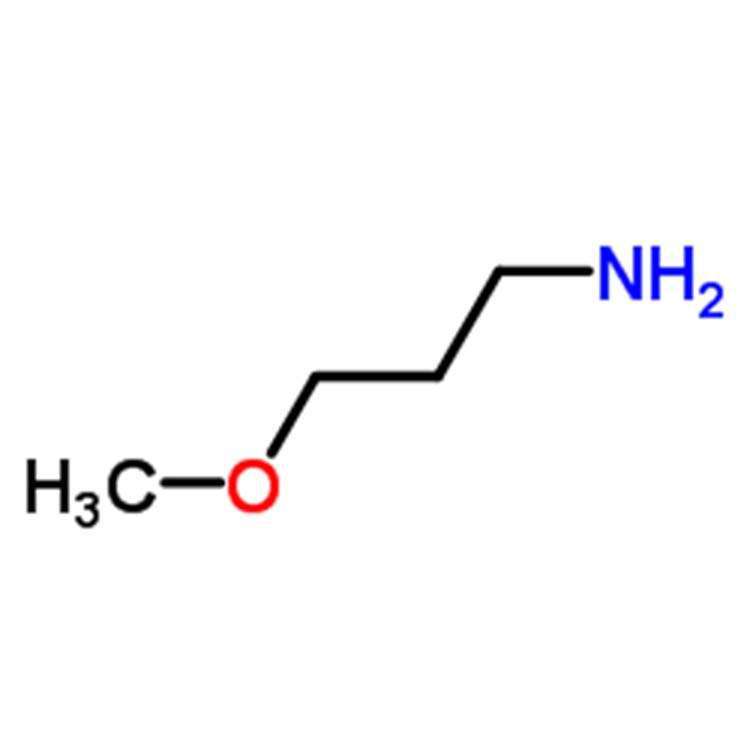

Melting point: -65°C Boiling point: 117-118°C/733mmHg(lit.)
Density:0.874g/mLat25°C(lit.)
Vapor density: 3.07 (vsair)
Vapor pressure: 20mmHg (30°C)
Refractive index: n20/D1.417(lit.) Flash point: 73°F
Storage conditions:Flammablesarea
Form:Liquid
Acidity coefficient (pKa):9.73±0.10Chemicalbook(Predicted)
Color:Clearcolorlesstofaintlycolored
PH value: 11.5 (100g/l, H2O, 20℃)
Explosive limit: 2.3-12.3% (V)
Water solubility:miscibleBRN:878144InChIKey:FAXDZWQIWUSWJH-UHFFFAOYSA-NLogP:-0.5at25℃
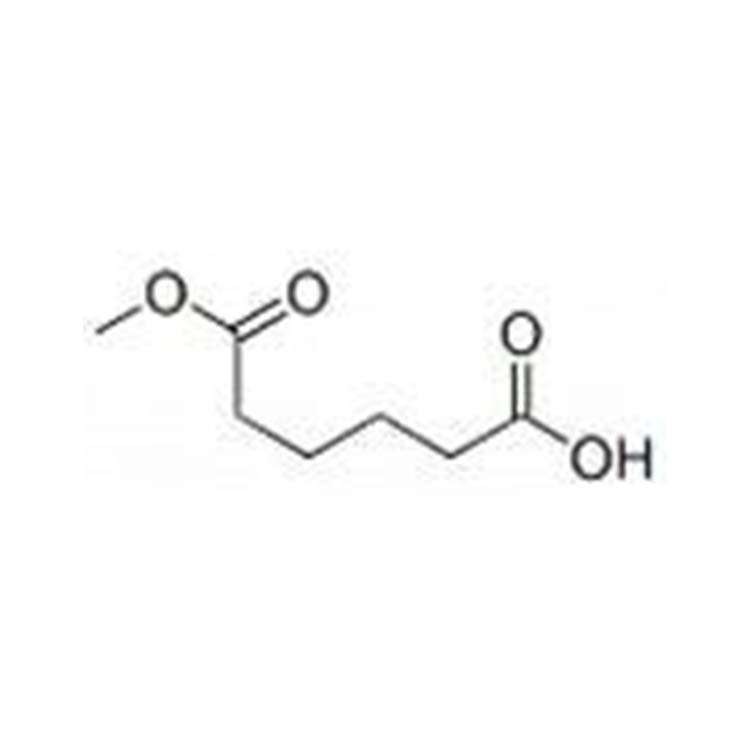
(1) Use 3-methoxypropanol as raw material, pump 3-methoxypropanol into the preheater, and mix it with ammonia and hydrogen for preheating and vaporization;
(2) After preheating and vaporizing, it enters the reactor, using Cu-Co/Al2O3-diatomite as the catalyst, the control pressure is normal pressure ~ 5.0Mpa, the temperature is 50 ~ 360°C, and the alcohol liquid space velocity is 0.1 ~ 3.0h- 1. The amino alcohol molar ratio is 1.0~15.0:1, the hydrogen alcohol molar ratio is 0.1~10.0:1, and the catalyst dosage is 0.05~3.0m3 alcohol/(hr·m3 catalyst). The reaction is carried out; wherein, the composition of the catalyst is ( Weight ratio) is: Cu is 0.1~50.0%, Co is 0.5~60.0%, Ru is 0.001~0.1%, Mg is 0.001~5.7%, Cr is 0.01~15.0%, and the rest is a mixture of Al2O3 and diatomite or one of the two;
(3)After the reaction, the materials are condensed and cooled, and gas-liquid is separated. The gas phase is circulated into the reactor for recycling; the liquid phase enters the distillation tower to separate and purify 3-methoxypropylamine to obtain the product; the separated ammonia and 3-methoxypropylamine are Oxypropanol returns to the feed system and then enters the reactor to react with the additional hydrogen, ammonia and 3-methoxypropanol.
Solvent properties
3-methoxypropyl amine is commonly used as a solvent in various applications, including coatings, adhesives, and sealants. Its solvency properties enable it to dissolve and mix different substances together, leading to improved product performance.
Low toxicity
3-methoxypropyl amine has low toxicity, making it a safer alternative compared to other solvents with high toxicity levels. It has become a suitable solvent option for eco-friendly products due to its lower impact on the environment.
Excellent surface tension reduction
This amine has excellent surface tension reduction properties. Its use as a wetting agent improves the wetting of surfaces, minimizing the risk of adhesion failure and increasing the contact angle of the surface.
Improves product quality
The use of 3-methoxypropyl amine enhances the quality of finished products by improving adhesion, gloss, and durability. It helps in providing a smooth finish and reducing the surface defects on the material.
Versatile nature
The versatility of this amine ensures it can be used as a component in various formulations improving the overall performance of the end product.
Reactivity
3-methoxypropyl amine is reactive with various chemicals. This attribute makes it a suitable choice in various applications, including pharmaceuticals, agrochemicals, and the production of plasticizers.
Chemical Synthesis
3-Methoxypropyl amine is used as a reactant in the synthesis of various chemical compounds, such as pesticides, herbicides, and fungicides.
01
Specialty Chemicals
It is also widely used in the production of a range of specialty chemicals, including surfactants, defoamers, and textile auxiliaries.
02
Agriculture
3-Methoxypropyl amine is used as a biocide to control bacteria and fungi in various agricultural applications.
03
Oil and Gas
The compound is also used in the oil and gas industry as a corrosion inhibitor and a component in drilling fluids.
04
Water Treatment
It is used as a scavenger for sulfides and cyanides in wastewater treatment plants.
05
Molecular formula: C4H11NO
Molecular weight: 89.14 g/mol
Boiling point: 110-112°C
Melting point: -74°C
Odor: Ammonia-like, slightly sweet
Solubility: Soluble in water, ethanol, and diethyl ether
Density: 0.85 g/cm3 at 20°C
Stability: Stable under normal conditions, but can react with oxidizing agents
Appearance: Colorless to light yellow liquid
Synonyms: 3-MPA, Trimethylamine-n-propyl ether, Propylamine, 3-methoxy-
Shandong Yiming Bio-technology Co., Ltd. is located in Heze City, which is known as the hometown of peony in China. There are airports and high-speed railway station in Heze City, and the traffic is very convenient.Yiming is specializing in the manufacturing and sales of Pharmaceutical intermediates, Industrial bactericides and Food additives. Relying on the completed Quality Control System, continuous Technical Innovation, first class technology and professional equipments, Yiming is keeping providing high quality products and best service.Insisting on the management philosophy'Quality first, Service upmost, Win-win cooperation', we sincerely hope to cooperate with customers home and abroad.



Q: What is 3-Methoxypropyl Amine?
Q: What are the properties of 3-Methoxypropyl Amine?
Q: What are the uses of 3-Methoxypropyl Amine?
Q: Is 3-Methoxypropyl Amine dangerous?
Q: What are the storage and handling precautions for 3-Methoxypropyl Amine?
Q: What is Carbohydrazide Deoxident?
Q: What are the properties of Carbohydrazide Deoxident?
Q: What are the applications of Carbohydrazide Deoxident?
Q: How does Carbohydrazide Deoxident act as a reducing agent?
Q: What are the safety precautions required when handling Carbohydrazide Deoxident?
Q: Is carbohydrazide deoxident safe to use?
Q: What are the benefits of using carbohydrazide deoxident?
Q: What is cyanoacetamide intermediate?
Q: What is the molecular formula of cyanoacetamide intermediate?
Q: What are the properties of cyanoacetamide intermediate?
Q: What are the uses of cyanoacetamide intermediate?
Q: What are the precautions to be taken while handling cyanoacetamide intermediate?
Q: How is cyanoacetamide intermediate synthesized?
Q: What are the storage and handling conditions for cyanoacetamide intermediate?
Q: What are the safety considerations when handling cyanoacetamide intermediate?
As one of the most professional pharmaceutical intermediates manufacturers and suppliers in China, we're featured by quality products and good service. Please feel free to buy high-grade pharmaceutical intermediates from our factory. For price consultation, contact us.
scouring pads, essential oils, pharmaceutical grade api application(0/10)



